Understanding the Impact of Tourism on Local Cultures
As tourism continues to grow globally, understanding its effects on local cultures becomes increasingly essential. This article explores how tourism influences communities, the benefits it can bring, and the challenges that often accompany it.
Understanding the Basics
The relationship between tourism and local cultures is complex. Tourism can introduce new revenue streams and opportunities for local residents. According to research conducted by the World Tourism Organization, tourism can account for up to 10% of global GDP, which highlights its economic significance. However, this influx of visitors can also lead to cultural dilution, as local traditions may be altered or commercialized to cater to tourists.
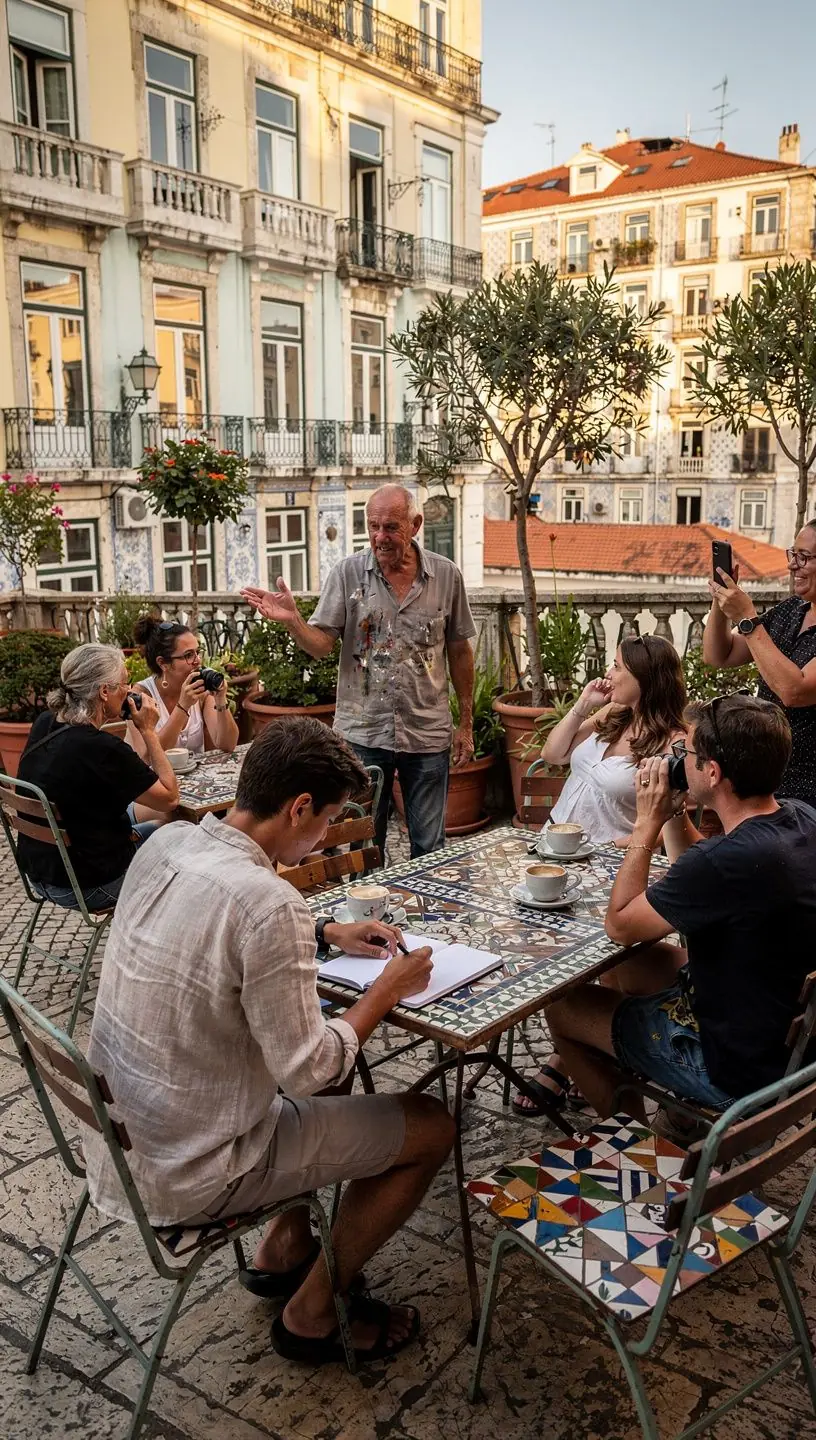
"Tourism can be a double-edged sword, as it often brings both economic growth and cultural challenges."
The Positive Impacts of Tourism
Many users report that tourism can enhance local communities in several ways:
- Economic Development: Increased tourist spending can lead to new jobs and businesses. Studies show that communities that embrace tourism often see a rise in local employment opportunities.
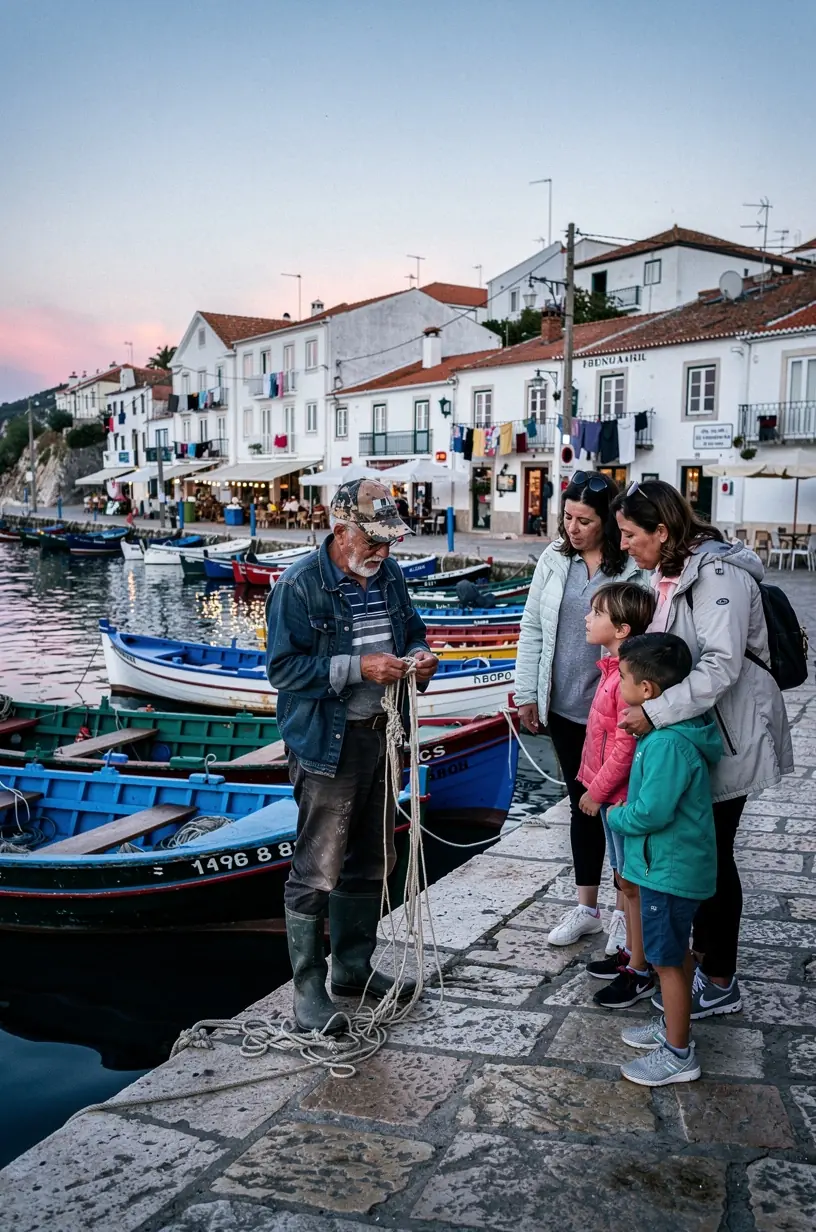
- Cultural Exchange: Interactions between tourists and locals can foster greater understanding and appreciation of different cultures, which some experts believe can lead to stronger community ties.
- Preservation of Traditions: In many cases, the demand for authentic experiences encourages locals to preserve their cultural practices and heritage sites.
The Challenges of Tourism
While there are clear benefits, tourism can also pose significant challenges:
- Cultural Erosion: As tourism grows, there is a risk that local customs may be overshadowed by more commercialized versions that cater to tourist expectations.
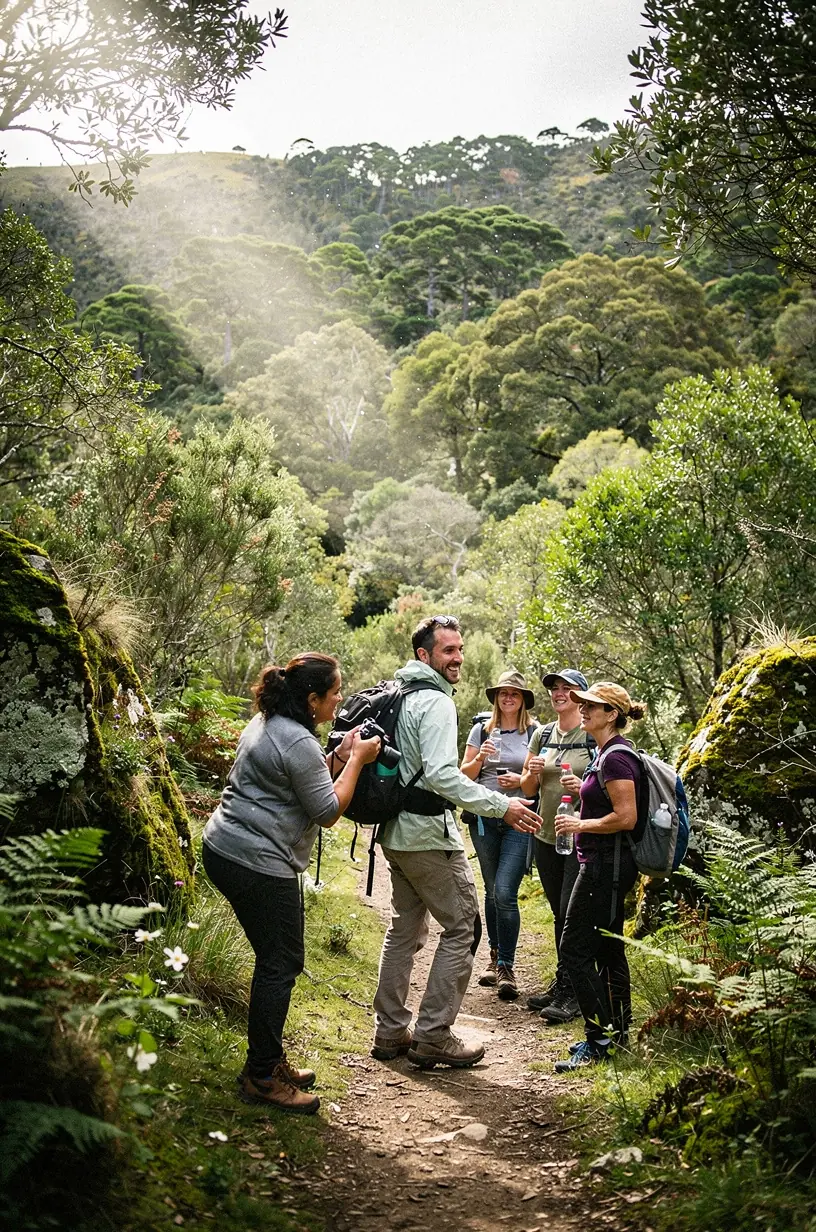
- Environmental Impact: Increased foot traffic can lead to environmental degradation, particularly in sensitive areas. Many experts recommend implementing sustainable tourism practices to minimize these effects.
- Community Displacement: In some instances, rising property values driven by tourism can displace local residents, leading to social tensions.
Balancing Tourism and Culture
To address these challenges, communities can adopt various strategies:
- Implementing sustainable tourism practices that prioritize cultural integrity and environmental conservation.
- Encouraging community engagement in tourism planning to ensure local voices are heard and respected.
- Offering educational programs for tourists to foster a deeper understanding of local cultures and traditions.
Conclusion
Understanding the impact of tourism on local cultures requires a balanced look at both its potential benefits and challenges. While tourism can drive economic growth and cultural preservation, it is crucial to approach it thoughtfully to mitigate negative effects. By prioritizing sustainable practices and community engagement, it is possible to create a tourism model that respects and enriches local cultures.